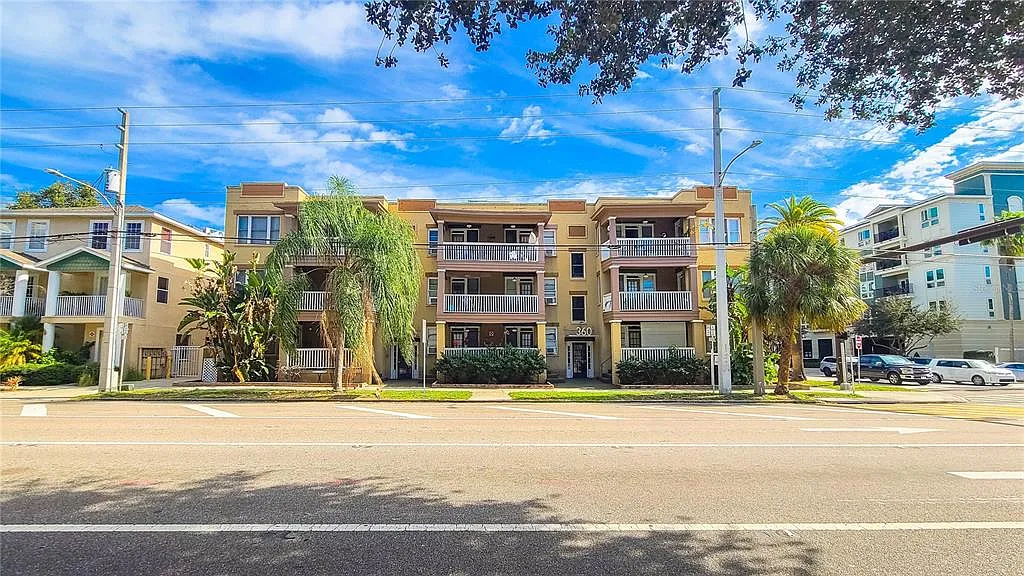
Social media feeds and local media outlets were tickled pink over the weekend with the recent “art takeover” of the Ventnor Apartments, a cluster of 1920s-era multifamily housing units at the corner of 4th Street and 4th Ave. South. But the viral marketing ploy whitewashes the loss of St. Pete’s historic character and the continued demolition of affordable workforce housing in downtown.
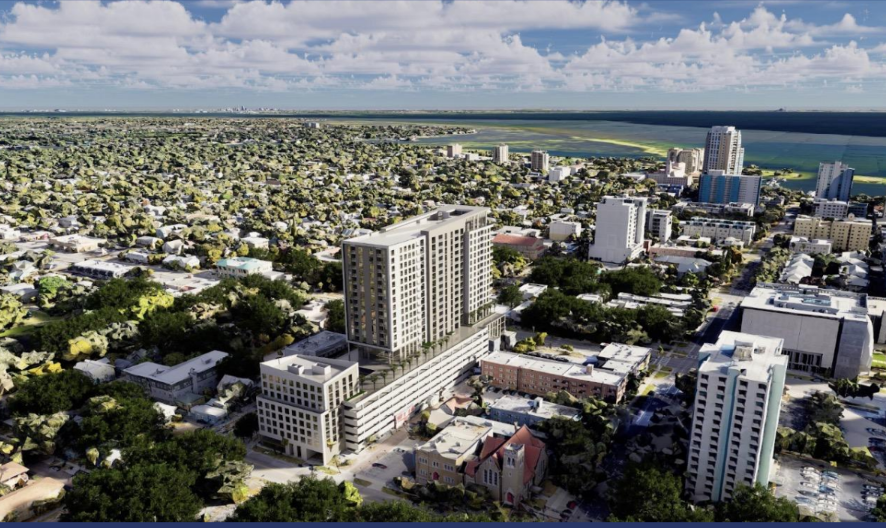
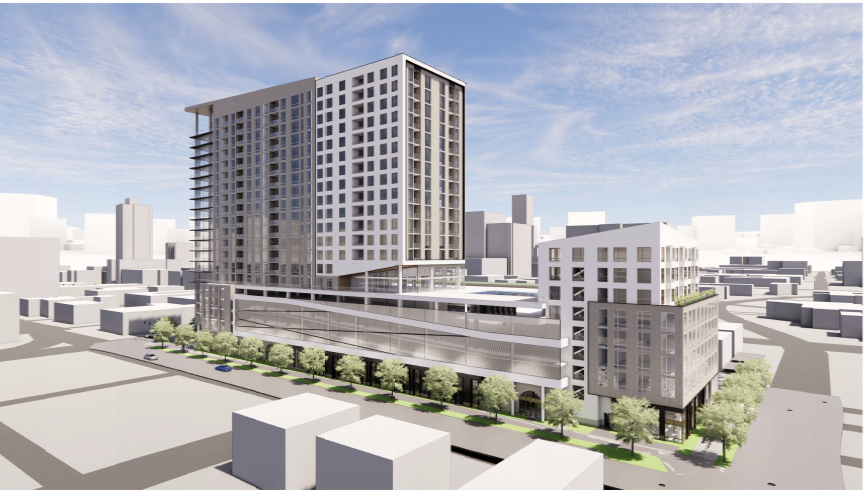
The St. Petersburg CRA approved plans in 2025 to demolish the Ventnor Apartments, formerly owned by Times Square Properties, and build a 29-story luxury tower with 164 residences. The City previously approved plans for a 25-story hotel and residential tower on the site before Valor modified their plans, requesting an additional four stories for the current Roche Bobois St. Pete Tower. The CRA approved the 2023 plans over Preserve the ‘Burg’s objections.
What’s been painted over in all the social media buzz is that the city continues to lose affordable multifamily housing like the Ventnor Apartments to the wrecking ball.
The list is long, and includes the Cara Apartments, the Stanton Hotel, and bungalow courts on 3rd Ave. South and another on the 700 block of 4th Ave. South.
Sifting through the comments on social media - some positive, many negative - you might notice how many people shared that the Ventnor was their first apartment when they moved to St. Pete. That’s no surprise. These older, no-frills residential structures are often an entry point for younger renters, a walkable option for service industry employees or, over on 5th Ave N., home to people with disabilities on subsidized incomes.
While we couldn’t find rental rates for the Ventnor, a 2023 Tampa Bay Times article profiled one Times Square renter living on 159 4th Ave N - about one mile from the Ventnor apartments - who paid $1,200 a month for his apartment in the heart of downtown.
Multifamily units like these are not just part of St. Pete’s past, they could be part of St. Pete’s housing future. These relatively affordable units are what some refer to as “naturally occurring affordable housing” or “NOAH” and, no matter what side of the NIMBY-YIMBY debate you might find yourself, these housing types - small, dense, nestled in existing single family neighborhoods and in St. Pete’s in-town core - are exactly what housing advocates say they want to see more of in St. Pete and beyond. Instead of celebrating their demise, we should be figuring out how to save them.
While St. Pete has rightly prioritized affordable housing initiatives, according to the Urban Institute, the Low-Income Housing Tax Credit helps finance between 50,000 and 60,000 new housing units across the country annually. But each year, an estimated 200,000 units are demolished. Clearly, the math on affordable housing is not mathing.
St. Pete seems to acknowledge this fact, in writing, at least. The City’s In-Town Redevelopment Plan notes the importance of utilizing existing older residential units to meet downtown housing needs, but when City Council convenes as the CRA Board, NOAH is never discussed. The IRP also directs the CRA to “maintain the historic, cultural, and aesthetic integrity of downtown” but they skip over that part, too.
St. Pete has worked hard to earn its “city of the arts” moniker, and no one should fault artists for seizing an opportunity to create something grand on 4th St. South and get paid for their creative efforts. We love a good pop-up art installation and, for a weekend, its great that we can celebrate the city’s creativity and deep roster of artistic talent.
But this pink PR stunt can’t cover up downtown St. Pete’s continued loss of housing and history that attracted many people - including artists - to St. Pete in the first place.